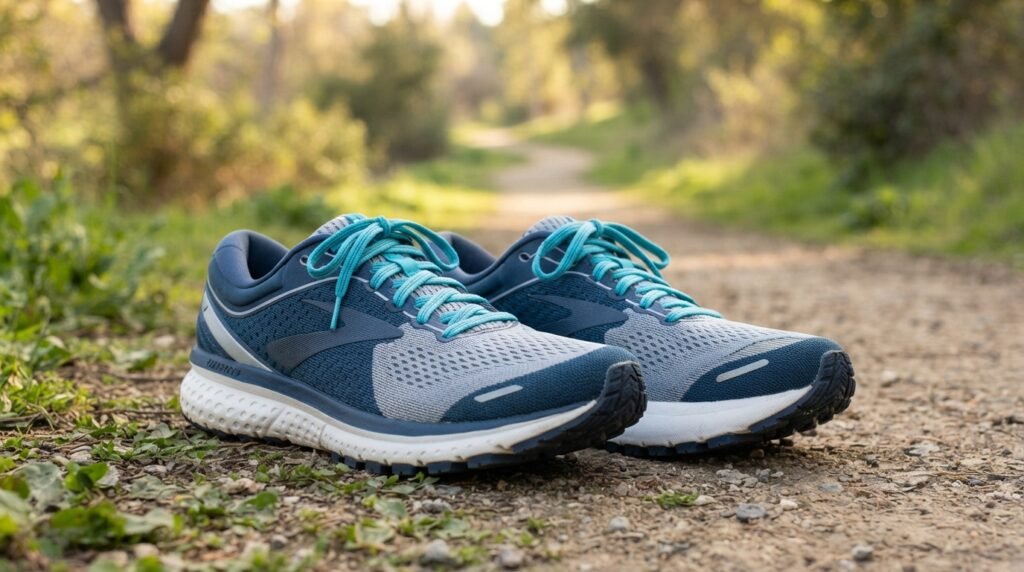
Choosing your first pair of running shoes can feel surprisingly complicated. Walk into a running store or browse online, and you will quickly encounter terms such as neutral, stability, cushioning, heel-to-toe drop, pronation, and different types of foam. With so many choices, it is easy to assume that there is one perfect shoe you need to find.
The good news is that choosing running shoes does not have to be difficult. For most beginners, the best running shoe is one that fits comfortably, feels natural when you move, and suits the type of running you plan to do. You do not necessarily need the most expensive model or the latest technology.
This guide explains the most important factors to consider when choosing beginner running shoes, from fit and cushioning to running surface, shoe type, and overall comfort.
Key Takeaways
- Fit comes first. A comfortable, secure fit is more important than a particular brand or feature.
- Leave enough room for your toes. Your toes should be able to move without your foot sliding around.
- Choose cushioning based on comfort. More cushioning is not automatically better.
- Consider your running surface. Road shoes and trail shoes are designed for different conditions.
- Neutral and stability shoes serve different needs. Most beginners should start with the option that feels most comfortable unless a professional recommends otherwise.
- Do not buy shoes solely because they are popular. Your feet and running habits are individual.
- Replace worn shoes when comfort and performance noticeably decline.
Start With the Right Fit
Fit is the most important consideration when choosing running shoes. A shoe can have excellent cushioning and impressive technology, but if it is too narrow, too loose, or poorly shaped for your foot, it can become uncomfortable quickly.
When trying on running shoes, wear the type of socks you expect to use while running. Ideally, try shoes later in the day, when your feet may be slightly larger than they are in the morning.
Your heel should feel securely held without uncomfortable pressure. The middle of the shoe should wrap your foot comfortably, while the forefoot should provide enough space for your toes to spread naturally.
A useful rule is to leave roughly a thumb’s width of space between your longest toe and the front of the shoe. This gives your feet room to move and allows for some swelling during longer runs.
Do not assume that your usual casual-shoe size will be the correct running-shoe size. Different brands and models use different shapes, so focus on how the shoe actually fits rather than the number printed on the box.
Understand the Main Types of Running Shoes
Running shoes can be divided into several broad categories. Understanding these categories can make choosing a pair much easier.
Road Running Shoes
Road shoes are designed primarily for pavement, sidewalks, tracks, and other relatively smooth surfaces. They usually emphasize cushioning, flexibility, and a relatively lightweight construction.
For someone beginning a couch-to-5K program or running primarily around a neighborhood, road shoes are usually the most appropriate starting point.
Trail Running Shoes
Trail shoes are designed for dirt paths, rocky terrain, mud, and uneven surfaces. They typically have more aggressive tread patterns to provide traction and may include additional protection around the upper and sole.
If your runs regularly take you onto technical trails, a trail-specific shoe may provide better grip and confidence than a standard road shoe.
Lightweight or Performance Shoes
Some shoes are designed to prioritize speed and responsiveness. They may use lighter materials and less cushioning than traditional daily trainers.
These shoes can be useful for experienced runners or particular workouts, but beginners generally do not need a specialized performance shoe. A comfortable everyday trainer is usually more versatile.
Neutral vs. Stability Shoes
One of the most confusing decisions for new runners is whether to choose a neutral or stability shoe.
Neutral shoes are designed without substantial additional guidance intended to influence how the foot moves. Stability shoes include features intended to provide additional support or control.
However, having a certain type of foot motion does not automatically mean you need a stability shoe. Modern running shoes come in many designs, and comfort and individual response matter considerably.

If you have a history of significant foot or lower-leg problems, or you have been specifically advised to use a particular type of shoe, follow the guidance of a qualified professional.
For otherwise healthy beginners, try on both categories when possible and pay attention to which feels more comfortable and natural. The goal is not to force your foot into a particular movement pattern. It is to find a shoe that allows you to run comfortably.
Consider Cushioning
Cushioning is another major factor when choosing running shoes. Shoes can range from relatively firm and responsive to soft and highly cushioned.
A softer shoe can feel comfortable and protective, particularly if you prefer a plush sensation underfoot. A firmer shoe may feel more stable and responsive.
There is no universally correct cushioning level for beginners. Your body weight, running surface, pace, personal preferences, and running volume can all influence what feels good.
The best approach is simple: try several options and walk or jog in them if the store allows it. Pay attention to how your feet and legs feel rather than judging a shoe solely by how soft it feels when you press the foam with your hand.
Pay Attention to Heel-to-Toe Drop
Heel-to-toe drop describes the difference in height between the heel and forefoot of a shoe.
A shoe with a higher drop places the heel somewhat higher relative to the toes, while a lower-drop shoe creates a smaller difference.
Beginners do not necessarily need to worry about finding a particular number. What matters more is choosing something that feels comfortable and does not represent a dramatic change from what your body is accustomed to.
If you are switching from one type of running shoe to another, especially to a substantially lower-drop model, transition gradually. Changes in shoe geometry can alter how your muscles and tendons experience running.
Choose Shoes for Your Running Goals
Think about how you actually intend to use your running shoes.
If you plan to run two or three times a week on sidewalks and paved paths, look for a versatile daily trainer. If you expect to walk and run as part of a beginner training program, comfort and durability may be especially important.
If you are preparing for a specific race, you can consider specialized footwear later. Your first pair does not need to do everything perfectly. It simply needs to make regular running comfortable enough that you want to keep doing it.
Also consider the distances you expect to run. A shoe that feels excellent for a short jog may feel different after an hour. If longer runs are part of your plans, make sure the shoe remains comfortable after extended wear.
Think About Width
Foot width is easy to overlook, but it can make a major difference when choosing running shoes.
Some shoes have a relatively narrow shape, while others are available in standard, wide, or extra-wide versions. If your toes feel squeezed together or the sides of your feet press against the upper, a wider option may be more appropriate.
Your foot should not be swimming inside the shoe, either. Excessive space can allow your foot to move around and create friction.
Pay particular attention to the forefoot. Your toes should have enough room to spread naturally without touching the sides or front of the shoe.
Check the Heel and Midfoot Fit
A good running shoe should hold your foot securely without creating painful pressure.

When walking or jogging, your heel should not repeatedly slip up and down. Some minor movement can be normal, but excessive heel movement can contribute to rubbing and blisters.
At the same time, avoid tightening the laces excessively to compensate for a poor fit. If you have to pull the laces extremely tight to keep your foot in place, another shoe shape may work better.
Experiment with the lacing system, including the uppermost eyelets if available, but use lacing adjustments to fine-tune a good fit rather than rescue a fundamentally unsuitable shoe.
Test Shoes Before Buying
Whenever possible, try running shoes on before purchasing them.
Walk around the store. Bend your knees. Jog in place. If the store has a treadmill or allows you to run outside, use that opportunity.
Ask yourself:
- Does anything pinch or rub?
- Can I comfortably move my toes?
- Does my heel stay in place?
- Does the shoe feel secure without being tight?
- Does the cushioning feel comfortable?
- Is there pressure anywhere that I expect to become irritating during a longer run?
- Does the shoe feel natural when I walk and run?
Do not choose a shoe simply because it feels impressive for a few seconds. Comfort over several minutes is more useful than a dramatic first impression.
Do You Need to Spend a Lot?
Not necessarily.
Higher-priced shoes may include premium materials, specialized foam, or additional design features, but price alone does not determine whether a shoe is right for you.
Beginners can often find excellent options at different price levels. Instead of setting your budget around the assumption that expensive equals better, identify the features that matter to you and compare shoes within your budget.
Previous-season models can also be worth considering if they provide the fit and characteristics you want. Running-shoe technology changes frequently, but a slightly older model can still be a perfectly good choice.
Consider Socks and Orthotics
Your running shoes are only part of the fit equation.
Running socks made from moisture-managing materials can help reduce friction and keep your feet more comfortable than ordinary cotton socks. Choose socks that fit securely without creating pressure points.
If you use orthotics or insoles, take them with you when trying on shoes. An insert can change the amount of space inside the shoe, so a shoe that fits well without it may feel different once the insert is installed.
Do not assume that you need special insoles simply because you are starting to run. If your current setup is comfortable and functional, there may be no reason to change it.
Common Beginner Mistakes
New runners often make a few predictable mistakes when buying running shoes.
Choosing based on appearance: A shoe can look great and still fit poorly.
Buying too small: Tight shoes can become particularly uncomfortable as your feet swell during longer runs.

Focusing on technology instead of comfort: Features and marketing terms matter less if the shoe does not feel good on your feet.
Making a sudden change: Switching immediately to a dramatically different shoe design can require an adjustment period.
Ignoring discomfort: Running shoes should not require you to "break them in" through significant pain. Persistent rubbing, pinching, or pressure is a reason to reconsider the fit.
Buying only one pair for every purpose: A versatile daily trainer is excellent for most beginners, but specialized shoes can make sense as your running develops.
When Should You Replace Running Shoes?
There is no single mileage number that applies to every runner and every shoe.
Instead, pay attention to how the shoes feel and look. Flattened cushioning, worn tread, damaged uppers, or noticeable changes in comfort can all indicate that replacement is approaching.
If your shoes suddenly feel less comfortable or you begin noticing recurring hot spots after previously comfortable runs, inspect them carefully.
Keeping a simple record of when you start using a pair can also help you notice how long your shoes typically last.
A Simple Buying Strategy for Beginners
If the choices still feel overwhelming, use this straightforward process:
- Identify your primary surface. Choose road shoes for pavement and trail shoes for uneven off-road terrain.
- Set a realistic budget. You do not need the most expensive model.
- Try several shoes. Compare different shapes, cushioning levels, and brands.
- Check the fit carefully. Make sure your heel is secure and your toes have room.
- Walk and jog in each option. Notice comfort rather than marketing claims.
- Choose the shoe you want to wear. If two shoes are similar, the one that feels more comfortable is usually the better choice.
- Start gradually. Give your body time to adapt as you increase your running.
FAQ
How much room should I have in the toe box?
You generally want about a thumb’s width between your longest toe and the front of the shoe. Your toes should also have enough space to move without being squeezed from the sides.
Should beginners buy neutral or stability running shoes?
Neither is automatically better. A neutral shoe is a reasonable starting point for many runners, while stability shoes can be useful for runners who prefer their feel or have specific needs. Comfort and fit should be central to the decision.
Are expensive running shoes better?
Not necessarily. Price can reflect materials and technology, but an expensive shoe is not automatically a better match for your feet. Fit, comfort, and intended use matter more.
Can I use running shoes for walking?
Yes. Many running shoes work very well for walking because they are designed for repeated impact and movement. A comfortable running shoe can be a versatile option for everyday activity.
How long do running shoes last?
It depends on the shoe, runner, terrain, and training volume. Rather than relying exclusively on a mileage target, monitor the shoe’s cushioning, tread, structure, and overall comfort.
Should running shoes hurt at first?
They should not cause significant pain. Some shoes may feel unfamiliar when you first wear them, but persistent pinching, rubbing, numbness, or painful pressure indicates that the shoe may not fit correctly.
Conclusion
Choosing running shoes as a beginner does not require mastering every technical term or finding the most advanced model available. Start with the basics: determine where you will run, find a shoe that fits your foot securely, make sure your toes have enough room, and choose cushioning and support that feel comfortable.
Most importantly, remember that running shoes are personal. A model that works wonderfully for one runner may feel completely wrong for another. Give yourself permission to try several options and prioritize comfort over popularity, appearance, or marketing.
The right pair is ultimately the one that fits well, feels natural, and makes it easier to look forward to your next run.

Pingback: Home Composting: 7 Easy Steps for Beginners - psimmarketing.com